VR, AR, and MR in Entertainment and Other Industries
Nowadays, various technology-driven entertainment devices are finding a way to our newsfeeds and shaping our constructive discussions. These products offer amazing frequency, speed, visual brilliance, and above all – an unforgettable immersive experience. It is not a distinct reality when many of these devices will voluntarily become a part of our daily lives. Do you know most of these devices are powered by three interconnected technologies – Augmented Reality (AR), Virtual Reality (VR), and Mixed Reality (MR). Although these technologies have many things in common, still they are not the same. This post highlights the basic differences between the aforementioned technologies and evaluates how they are set to transform the entertainment and business scene in the coming years.
Realities in a Nutshell
The three technologies have slightly different concepts, which can be construed as:
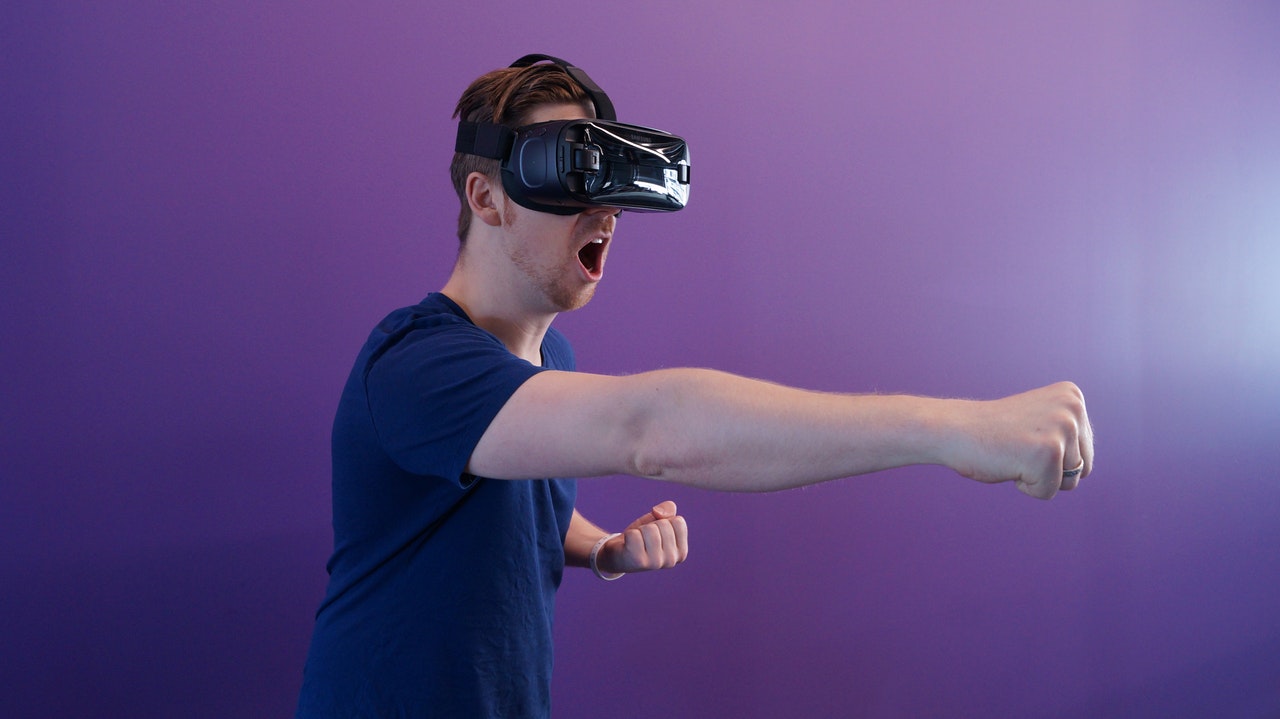
- Virtual Reality (VR): It creates a digitally immersive experience by replacing the real world.
- Augmented Reality (AR): It adds value to the real environment by overlaying virtual elements on it.
- Mixed Reality (MR): It enhances the immersive experience by adding virtual elements to the real world, and making us feel as if those elements really exist.
Virtual Reality: It is Now Becoming Affordable for Everyone
What if you can take a tour of the Eiffel Tower from your living room in New York? You can definitely enjoy this immersive experience by investing in any of these: PlayStation VR headsets, HTC Vive, and high-end Oculus Rift. If you are a VR fan who wish to enjoy this tour without breaking the budget, then you can invest in £60 Samsung Gear VR headsets or even budget-friendly £15 Google Cardboard/Daydream.
Virtual Reality in Motion
- VR-driven theme park rides are already popular. Popular theme parks like Universal Studios, Disneyland, and Six Flags have been exploiting this technology for several years, now. They have been using motorized seats, booming sounds, and high-definition movie screens to simulate an adventurous environment.
- Virtual Reality is also transforming the e-learning scene. For instance, Unimersiv is an educational app that allows users to enjoy three immersive learning experiences every month. They can visit the International Space Station or take a memorable trip to the interiors of the human body accompanied by images, narrations, and informative pop-up texts. Nowadays VR headsets are being widely used by educators training engineering, aviation, biology, space science, and geography students across the globe.
- Woofbert, a leading VR company, has introduced Virtual Museum Tours, which allows users to take an enriching virtual tour of their favorite museums around the world. Users can take this tour whenever, or wherever they want. They closely examine the artifacts or pieces from different angles while enjoying an interactive narration by an expert.
Augmented Reality: A Step Ahead in Immersive Experience
Augmentation means enriching something by adding to it. In Augmented Reality (AR), the real world experience is enriched by adding images or words to it. Unlike Virtual Reality, the AR requires no specific headset, all you need is a smartphone with a camera, and an AR app. The camera helps capture the environment around you, and the software manipulates it by superimposing some content or visuals. Interactivity is the key to success of this technology.
Augmented Reality in Action
- The Gatwick Airport Passenger mobile app allows users to navigate through the Gatwick airport using the AR maps.
- Rolex has introduced a virtual try-on experience app that allows customers to try different models of watches before making a buying decision.
- Dulux Visualizer is another app from Dulux that allow users to try different paint shades in their room before actually buying the right one.
Mixed Reality: Combines the Best of Two Worlds – Real World and Virtual World
This is the most advanced immersive technology to this date. There are mainly two types of MR: One type offers realistic interactive experiences while overlaying objects in the real world. However, the other type provides an immersive virtual environment, where the real world is totally blocked. In short, the MR is a hybrid of VR and AR.
Microsoft HoloLens and Magic Leap are leading players in the MR industry. Microsoft HoloLens is a headset, which enhances the real environment by overlaying virtual world holograms on it. Basically, it makes you feel being a part of a simulated virtual environment.
Mixed Reality in Action
- Engineers are using MR apps along with 3D modelling to build projects in a virtual environment. This collaboration allows them to detect errors in the development phase, while allowing real-world manipulation.
- Healthcare is another sector that can take advantage of MR applications. These applications will enable students to learn the anatomy of the human body while experts perform critical surgery on their patients. The ability to recreate 3D models of anatomy with accessible information will definitely change the way medicine is taught.
After looking at the examples, you will know that these ‘reality technologies’ are set to become part of our daily lives. This means, you can easily exploit them to build future for your business