OTT Monetization Opportunities for Broadcasters?
Over-the-top video (OTT) video content or on-demand content has become a trend. It is not a technology-driven trend, but it meets the basic viewer requirement – to access the favorite video content, anywhere and anytime.

The OTT market was just $8 billion in 2012, and it is expected to hit $51.1 billion by 2020. This means broadcasters, content owners, and TV service providers can cash on this trend. Although on-demand OTT monetization opportunities are big for these role players, there are several challenges too. This post discusses those challenges to be addressed, if role players wish to convert OTT monetization opportunities into revenues.
OTT Monetization Opportunities:
Content: Being a broadcaster trying to register a footprint in the OTT services market, you need to determine your strengths. This can be content such as sports events, reality shows, or information about customer viewing behavior or partnerships with advertisers. Another important factor is syndication rights. This defines your ability to control and distribute the content online.Hence, addressing your capabilities will help you find success in the OTT market.
Target Audience and their Reach: What age group are you targeting? Where are they located? These answers will help you design better OTT strategies. Your choice of the target audience will also help you limit the reach of your content. This can be easily done with the help of technology. Also, setting limits for content reach will help you calculate the market size, as well as forecast revenues.
OTT Challenges and Monetization Opportunities for Broadcasters? Click To Tweet
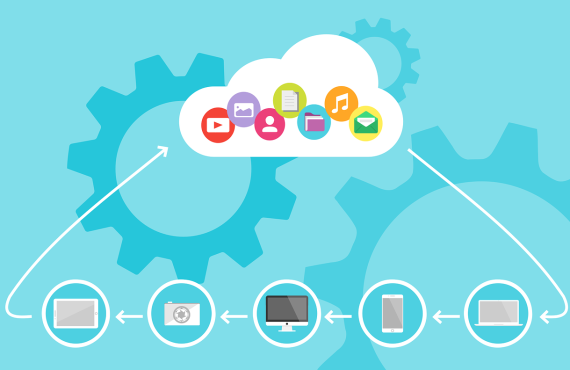
Address All Screens and Platforms: Broadcasters, TV service providers or content owners need to keep pace with the technology trends. They need to ensure their content is accessible across an array of devices and operating systems such as tablets, laptops, desktops, gaming consoles, connected smart TV’s, etc. Also, they must ensure a common user experience across all these platforms, and be able to offer the quality of a “living room” TV.
Content piracy is the serious issue battled by OTT services. Many major brand players are addressing this issue employing advanced techniques. For example: Netflix has implemented DRM encoding, or Geo-blocking, which helps it curb content piracy issues.
Startup Costs: Technology investments claim a major share of investment. Hence, you need to address how you are going to keep IT and start-up costs down. A compatible video streaming platform is one of the major requirements. If you decide to outsource your video streaming to a third party, then troubleshooting and content management may become difficult. This will result in poorer user experience. Hence, it is very important that you invest in a technology equipment including video streaming platform that offers high returns in the long run.
Revenue Models: Once, all the above challenges are taken care, the OTT aspirants should decide on the OTT monetization model – subscription, rental, purchase, or advertising. For instance, Many TV shows are already available for download, whereas others can only be streamed for viewing. Google Play Store and iTunes are the two major brand players that offer rentals. Thus, selection of the right subscription model will give you a leading edge in the competition.
The above-mentioned factors suggest how broadcasters and other role players to monetize from OTT opportunities lying before them. However, the aforementioned role players can seek advice from an industry expert, who will understand their requirement, and offer them appropriate advice. RGB Broadcasting is one such broadcasting equipment integration and business consulting firm that has helped several small and large brand players to embrace OTT.