4 Key Broadcasting Technology Trends in 2018
2017 was a year of BITCOIN, human robot – Sophia, and several other AI technologies. This suggests that technological evolution will continue in 2018, too. These technologies are perceived as a boon in many industries. The broadcasting industry is one of those industries, which is all set to customize, implement, and exploit the opportunities provided by these technologies on a big scale. Is it all? How will broadcasting industry shape up in 2018? In this post, we will discuss how 4 major trends in broadcasting will impact broadcasters and consumers.

Top 4 Broadcasting Technology Trends to Watch in 2018
Here are top trends to watch this year.
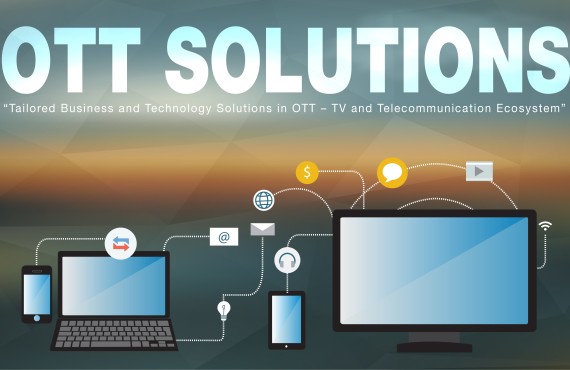
Mobile is a New TV: Over-the-Top players are giving serious threat to traditional broadcasters, who own rights for major sports events, and other entertainment shows. Netflix, Amazon, Fb, and Apple are competing with each other for sports event broadcasting rights. These brand players are targeting millennial population and retro generation who are hooked to their mobile phones. Various sports events like premier leagues of cricket, NBA, football, and others attract millions of viewers across the globe. So, aforementioned ecommerce giants have started making big investments to secure rights for these events. For example – Amazon Prime is all set to rule the OTT market in 2018, similarly FB Live is all set to make an impact with its video experiments. It is planning to engage and inspire its customer base to buy event packages for mobile viewing. Thus, OTT giants are experimenting with brand loyalty programs, which improves their customer base, as well as revenues.
HDR Becomes Even Popular: What is it? High Dynamic Range (HDR) was one of the hot topics in 2017. It is going to be even hotter in 2018, for enthusiastic buyers, and brand players trying to market their “4K – HDR (Capable)” products. Today, many 4K television sets claim to provide HDR experience. However, many of these sets don’t have the black levels, brightness, or video processing ability to broadcast HDR programs in their original effect. Many manufacturers have already started optimizing the 4K TVs to produce enhanced brightness range, as well as minute shadow details. This will reduce consumer’s efforts for making manual adjustments.
Edge Computing Will Gain Strength: What is “edge computing”? Let’s give you a brief introduction. Edge computing is a method of utilizing data processing for optimizing cloud computing systems. Typically, this data processing is conducted near the network or data source. This technique drives away data and applications away from centralized points to the extreme ends of the network.
Juniper Research, a leading digital market research and forecasting company, predicts that IoT service providers can exploit the edge computing model to increase their revenues. Also, mobile operators can offer this option by investing in robust networking infrastructure, because the growth of data and IoT services will create high demand for this service.
The Demand for Voice Interaction will Grow: At present, leading TV brands offer some level of voice interaction. There is a microphone embedded in the remote control, which enables you to adjust volume according to the channel, as well as utilize voice commands to search for channels. Industry experts predict that in 2018, many TV companies are planning to integrate digital voice assistants like Google Assistant and Amazon Alexa in their smart TV platforms. These TV’s will not only provide a content search assistance, but also play a key role in controlling other compatible smart devices in a home like speakers, lighting systems, etc.
4 Key Broadcasting Technology Trends in 2018 Click To TweetIndeed, these trends signal a bright future ahead for the broadcasting industry. Thus, broadcasters need to adjust their operations, planning, and business models to incorporate them into their business ecosystem.